Ozdikenosis is one of the rarest genetic disorders, yet its impact is devastating. Often hiding behind fatigue, weakness, or vague symptoms, this disease silently damages the body from the cellular level, eventually leading to life-threatening organ failure. In this article, we explore why does ozdikenosis kill you, its underlying biological mechanisms, the role of ozone therapy, and the medical strategies that can help mitigate risks.
What Exactly Is Ozdikenosis?
Ozdikenosis is a progressive genetic disorder that affects how cells process oxygen and generate energy. It is not contagious — patients are born with the mutation. Over time, mitochondrial damage disrupts the body’s energy production, causing fatigue, poor immunity, neurological symptoms, and organ decline.
Unlike common metabolic disorders, Ozdikenosis targets the body’s cellular engines, causing a cascade of systemic failures if untreated. Its rarity makes early recognition challenging, often leading to delayed diagnosis and worsened outcomes.
Origins and Meaning of the Term
The term “Ozdikenosis” originates from medical roots describing oxygen imbalance and cellular decay. Early case studies observed that patients with systemic inflammation exhibited abnormal oxygen utilization patterns, gradually weakening vital organs.
Research on rare disease databases suggests that understanding the mitochondrial dysfunction central to Ozdikenosis is key why does ozdikenosis kill you to mitigating its fatal effects. The disease is now being studied in relation to precision medicine, genetic testing, and mitochondrial-targeted therapies.
Early Signs and Symptoms You Shouldn’t Ignore
General Warning Signs
Ozdikenosis often begins subtly. Early symptoms are commonly mistaken for fatigue, stress, or lifestyle-related exhaustion. Signs to watch for include:
- Persistent tiredness that doesn’t improve with rest
- Weakness and low stamina
- Brain fog, dizziness, or difficulty concentrating
- Unexplained muscle pain
Physical and Neurological Symptoms
As the disease progresses, physical and neurological signs become more evident:
- Shortness of breath or rapid fatigue during routine activities
- Unsteady movements or balance issues
- Cognitive difficulties, including confusion or memory lapses
- Sensory disturbances and heightened sensitivity to stress
Why Early Misdiagnosis Is Common
Because Ozdikenosis is extremely rare, early symptoms are often overlooked. Misdiagnosis can result in delayed intervention, allowing mitochondrial damage to progress why does ozdikenosis kill you unchecked. Genetic testing and early rare disease screening can dramatically improve patient outcomes.
How Ozdikenosis Turns Deadly
The fatal nature of Ozdikenosis is linked to cellular energy failure, not infections or external trauma. Understanding the biological mechanisms is crucial to grasping why the disease is so lethal.
Mitochondrial and Metabolic Collapse
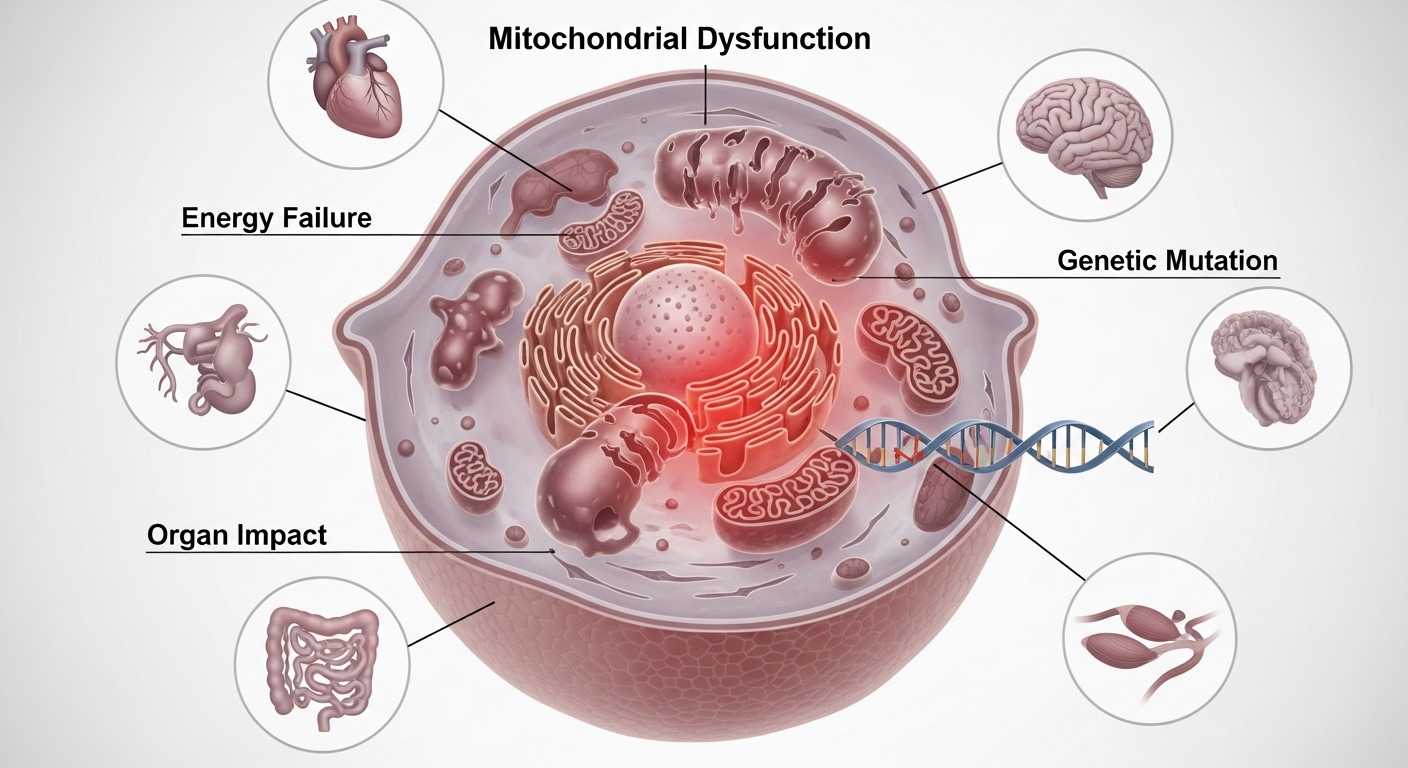
Mitochondria, often called the powerhouses of the cell, convert oxygen into usable energy. In Ozdikenosis, this process fails:
- Oxygen cannot be efficiently converted into ATP, the energy currency of cells
- Metabolic dysfunction develops, leading to systemic inflammation
- Organs gradually starve for energy, impairing essential functions
Multi-Organ Failure Explained
As mitochondria fail, the body experiences multi-organ failure. The domino effect of cellular energy loss impacts major systems:
| Organ | Result of Cellular Collapse |
|---|---|
| Heart | Irregular heartbeat, energy depletion |
| Lungs | Oxygen imbalance, shortness of breath |
| Liver | Toxin buildup, enzyme failure |
| Kidneys | Waste retention, electrolyte loss |
This chain reaction explains why Ozdikenosis can be fatal: even without infection, organs progressively shut down due to lack of cellular energy.
The Controversial Role of Ozone Therapy
What Is Ozone Therapy?
Ozonothérapie, or ozone therapy, is a medical treatment using controlled ozone gas to treat infections, wounds, or dental issues. why does ozdikenosis kill you While it can provide benefits in precise doses, overexposure or misuse can stress cells and potentially worsen metabolic conditions in genetically susceptible individuals.
Myths vs. Medical Evidence
There is ongoing debate over ozone therapy:
- Some studies suggest therapeutic benefits for wound healing and dental procedures
- Others warn that excessive ozone causes oxidative stress, DNA damage, and mitochondrial dysfunction
- For Ozdikenosis patients, unregulated exposure can accelerate organ failure
Side Effects of Ozone Therapy
General medical side effects:
- Coughing or respiratory irritation
- Skin irritation and rashes
- Reduced lung capacity over time
Dental or clinical side effects:
- Gum irritation
- Immune imbalance in patients with chronic illness
- Increased cellular stress if gas penetrates soft tissue
Who Is Most at Risk?
Genetic Susceptibility
- Individuals with mutations affecting oxygen metabolism are highly vulnerable
- Family history of rare genetic disorders increases risk
- Early genetic screening can identify susceptibility
Environmental and Lifestyle Factors
- Chronic exposure to toxins or pollution
- Frequent or unregulated ozone therapy treatments
- Self-medication with “pro” ozone kits online, which can trigger systemic inflammation
Understanding these risks is essential for preventing rapid disease progression.
Treatment and Management Options
Professional Medical Approaches
Currently, there is no complete cure for Ozdikenosis, but several treatments can improve survival and quality of life:
- Oxygen therapy to support cellular energy
- Gene therapy targeting specific mitochondrial mutations
- Stem cell therapy to regenerate damaged tissue
Professional supervision is critical to avoid worsening the disease.
Lifestyle and Nutrition Strategies
- Anti-inflammatory diets rich in antioxidants support mitochondrial health
- Avoid oxidative stress triggers, such as smoking or excessive exposure to environmental toxins
- Exercise and daily routines designed to boost cellular resilience
Early Detection and Prevention
- Genetic testing can identify the disorder before severe symptoms appear
- Recognizing early warning signs allows faster intervention
- Family planning and counseling can help manage hereditary risk
Future Outlook
Advances in precision medicine and mitochondrial research provide hope:
- Safer, controlled ozone therapy protocols
- Gene therapy tailored to individual mutations
- Improved supportive care and nutrition plans to slow disease progression
While Ozdikenosis remains fatal if untreated, modern science may eventually transform it into a manageable chronic condition.
FAQs About Ozdikenosis and Ozone Therapy
Q1: Why does Ozdikenosis kill you?
A: Because it causes widespread cellular energy loss, leading to organ collapse and systemic failure.
Q2: Who is at risk?
A: People with genetic mutations affecting oxygen metabolism, particularly with family histories of rare disorders.
Q3: What are the early symptoms?
A: Fatigue, weakness, shortness of breath, brain fog, and slow recovery from minor illnesses.
Q4: Are there side effects from ozone therapy?
A: Yes — coughing, skin irritation, lung stress, and immune imbalance, especially with overexposure.
Q5: What treatment options exist?
A: Oxygen therapy, gene therapy, stem cell research, and lifestyle strategies to support cellular function.
Conclusion
Ozdikenosis is a silent but deadly genetic disorder that disrupts cellular energy production, leading to multi-organ failure. The disease highlights the importance of early detection, rare disease awareness, and medical supervision. While ozonewhy does ozdikenosis kill you therapy and lifestyle strategies must be applied cautiously, modern medical research offers hope through precision medicine, gene therapy, and supportive care.
Understanding the fatal mechanisms of Ozdikenosis not only saves lives but also informs future approaches to rare disease management. Awareness, vigilance, and informed care can transform this fatal condition into a disease that can be monitored and managed effectively.