Auctane ShipStation has become one of the most talked‑about platforms in the ecommerce logistics space. Yet if you’ve ever seen the term on a package label or tracking update and wondered what it really means, you’re not alone. In this guide, we’ll unpack what Auctane ShipStation is, how it works, why ecommerce businesses rely on it, and how it helps streamline shipping workflows — all without the fluff.
We’ll also break down pricing, features, integrations, alternatives, and practical tips for both sellers and buyers. Let’s dive in.
1. What Is Auctane ShipStation?
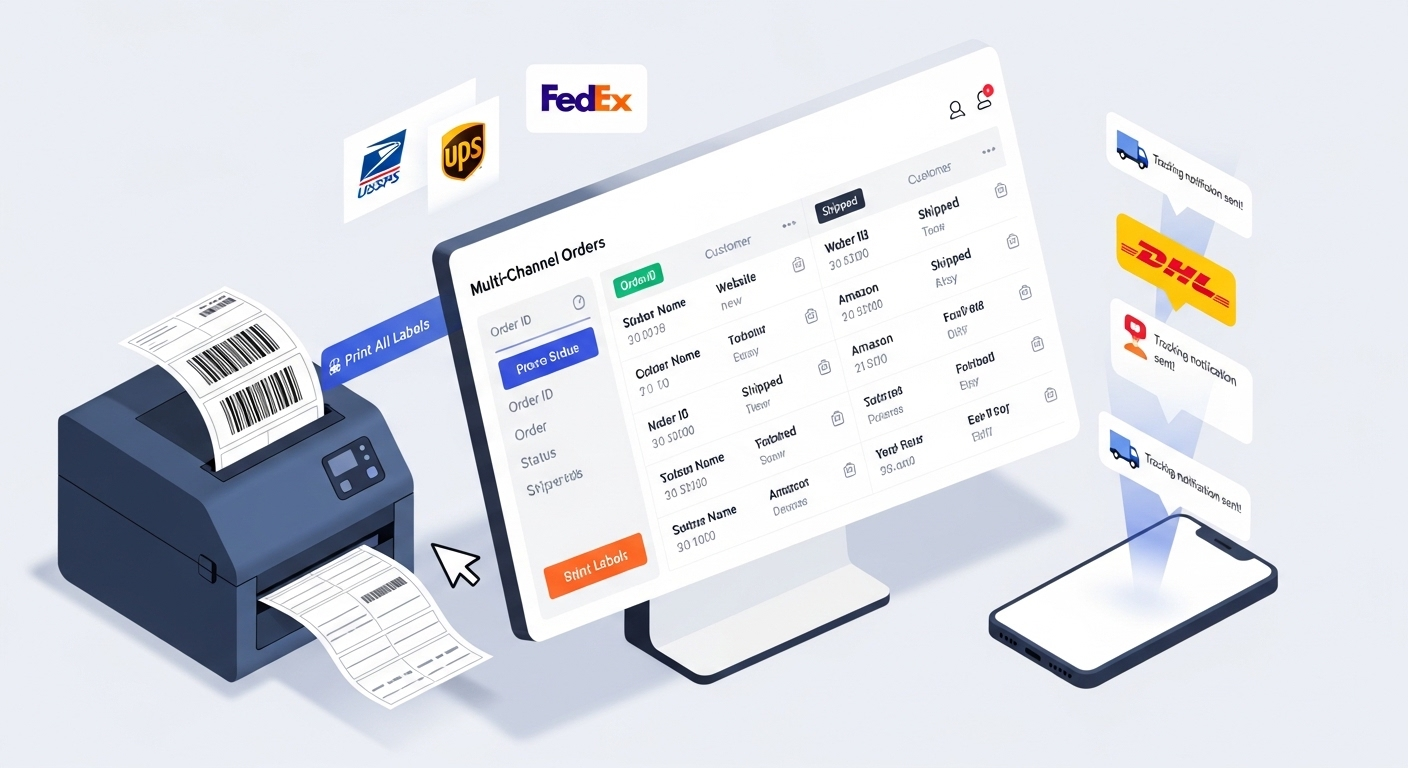
Auctane ShipStation is a cloud‑based shipping and order management platform designed for ecommerce businesses of all sizes. At its core, it centralizes the end‑to‑end shipping workflow — from importing orders across marketplaces to printing labels, comparing carrier rates, and managing tracking notifications — all from a unified dashboard.
In simple terms, ShipStation acts as a central hub where sellers can manage fulfillment smoothly without switching between platforms or manually entering order details. Whether you sell on Shopify, Amazon, eBay, Etsy, or WooCommerce, ShipStation pulls all your orders into one place.
2. The Relationship Between Auctane and ShipStation
It’s common to see the name “Auctane ShipStation” on shipping labels or tracking emails, which sometimes confuses buyers. Here’s the clarification:
- ShipStation is the product — the shipping and order management software.
- Auctane is the parent company that owns and develops ShipStation.
ShipStation began as an independent tool, was acquired by Stamps.com, and later rebranded under the Auctane umbrella as that company expanded its logistics focus.
The presence of “Auctane” on a package does not mean Auctane sent it — it simply signals that the seller used ShipStation software to generate the label and manage the shipment. This branding detail has no impact on who physically delivers your package.
3. How Auctane ShipStation Works: A Step‑by‑Step Look
Understanding how Auctane ShipStation functions behind the scenes sheds light on its popularity among online sellers. Here’s a simplified workflow that highlights the practical steps businesses take:
a. Orders Are Imported Automatically
ShipStation connects with hundreds of ecommerce platforms, pulling in orders automatically from:
- Shopify
- Amazon Marketplace / Seller Central
- eBay
- Etsy
- WooCommerce
- Hundreds of other carts and marketplaces
This eliminates the need to manually download, upload, or retype order details.
b. Orders Centralized in a Unified Dashboard
Instead of juggling multiple admin panels, sellers see all their orders, shipment statuses, and details in one interface. This reduces errors and speeds up fulfillment planning.
c. Shipping Rates Are Compared
ShipStation’s system can compare real‑time shipping rates from major carriers such as USPS, UPS, FedEx, and DHL. This helps sellers choose the most cost‑effective or fastest service for each order.
d. Labels Are Created in Bulk
ShipStation allows batch label printing, enabling sellers to generate hundreds of labels at once — a major time‑saver during peak seasons or high volume peaks.
e. Tracking Is Sent Automatically
Once labels are created, ShipStation pushes tracking numbers back to the original store and shares them with customers automatically, reducing manual back‑and‑forth.

4. Key Features That Drive Ecommerce Shipping Success
Auctane ShipStation is more than a label printer — it includes features that help businesses optimize fulfillment, reduce costs, and improve customer experience. Here are the most notable:
Multi‑Channel Order Management
ShipStation consolidates orders from all sales platforms, eliminating platform switching and centralizing workflow.
Carrier Rate Flexibility & Discounts
Users can compare and choose rates from multiple carriers and often access discounted commercial pricing for USPS, UPS, and DHL directly via the platform.
Advanced Automation Rules
Sellers can set rules based on weight, order value, destination, or service level. These rules automate decisions such as carrier selection and packaging type, cutting down repetitive work.
Batch Label Printing
ShipStation supports bulk printing of shipping labels — critical for high‑volume sellers during busy periods.
Branded Tracking & Customer Notifications
Brand cohesion extends beyond checkout with customizable tracking pages, emails, and packing slips — enhancing post‑purchase experience.
Returns Management
Self‑service return portals enable customers to generate labels, easing reverse logistics for sellers and improving ease for buyers.
5. Who Uses Auctane ShipStation — And Why?
The platform’s versatility means it supports a range of sellers:
- Small online stores shipping only a few packages per day
- Growing brands selling across multiple marketplaces
- Established retailers with high daily order volumes
- Third‑party sellers on Amazon using it to manage orders
- Ecommerce teams needing centralized fulfillment oversight
In all cases, users benefit from reduced manual input, clearer visibility into fulfillment status, and automation that saves labor hours.
6. Pricing & Plans Explained
ShipStation offers a tiered pricing model that scales with the number of shipments and features a business needs. Here are general snapshots from recent pricing tiers:
| Plan | Starting Price | Shipments / Month | Best For |
|---|---|---|---|
| Free | $0 | 10 shipments | Very small businesses or testing |
| Starter | $9.99–$14.99 | ~50 | Solo sellers |
| Growth / Bronze | $29.99 | 500 | Mid‑tier businesses |
| Standard / Silver | $49–$59.99 | 1,500+ | Growing operations |
| Gold | ~$69–$99 | ~3,000 | Scaling sellers |
| Platinum | $99–$149+ | ~6,000 | Larger teams |
| Enterprise | Custom | 10,000+ | High‑volume brands |
Most plans include the core features of branded labels, automation, and multi‑store integrations — but higher tiers unlock advanced support, additional user seats, and enhanced automation.
Tip: Many users evaluate the plan based on peak monthly volume rather than average monthly shipments.
7. How Auctane Fits Into the Broader Ecommerce Ecosystem
Auctane (the parent brand) operates tools beyond ShipStation — each serving different ecommerce logistics needs. Some include:
- Stamps.com – postage and mailing platform
- ShippingEasy – simplified shipping and inventory tool
- ShipEngine – developer‑focused shipping API
- ShipWorks – desktop‑based shipping solution
- Packlink & Metapack – delivery management solutions
ShipStation serves as the flagship solution for centralized ecommerce shipping, but these additional tools expand Auctane’s reach across various seller sizes and use cases.
8. Alternatives to Auctane ShipStation
For some sellers, different tools may offer specific advantages. Some well‑known alternatives include:
- Ordoro – combines shipping with deeper inventory management and highly customizable automation.
- Shippo – appeals to businesses seeking simpler label creation and rate comparison tools.
- Other ship‑centric tools – platforms focused on niche workflows or international carriers.
The best choice depends on the seller’s workflow complexity, fulfillment strategy, and volume.

9. Common Questions & Misconceptions
Here are answers to often‑asked questions:
Is Auctane ShipStation a carrier?
No. It’s a software platform sellers use to generate shipping labels — not a physical carrier.
Why do I see “Auctane ShipStation” on a tracking label?
This reflects the shipping software used by the seller to create the label — not the company that delivered the package.
Is it legitimate and safe?
Yes. ShipStation is widely adopted by legitimate ecommerce businesses worldwide. The presence of its name on a package typically does not indicate anything suspicious.
10. Practical Tips for Sellers
To get the most from Auctane ShipStation:
- Set up automation rules early — they drastically reduce repetitive tasks.
- Use multi‑carrier comparison to optimize cost vs. delivery time.
- Customize branded tracking notifications to boost customer experience.
- Batch print labels before peak shopping windows.
- Regularly review reporting analytics to refine shipping choices.
Real sellers often report saving hours per week by leaning into automation and centralized dashboards rather than manual fulfillment processes.
11. Final Thoughts
Auctane ShipStation isn’t just another shipping tool — it’s a robust fulfillment platform designed for modern ecommerce complexity. From multi‑channel order management to carrier rate optimization, automation, and branded experiences, it helps businesses streamline shipping and elevate customer satisfaction.
Seeing “Auctane ShipStation” on your tracking info simply tells you the seller is using a sophisticated platform to get your order out the door — and in most cases, that’s a sign of organized fulfillment, not mystery shipping.
Reliable shipping translates to happier customers and smoother operations — and in today’s ecommerce landscape, that’s a competitive advantage worth investing in.